The world of search is undergoing a seismic shift. We're moving beyond simple keyword matching and into an era of generative search, where AI algorithms synthesise information and provide direct answers instead of just linking to websites. This evolution has profound implications for how businesses attract online traffic and convert visitors into customers.
What is generative search?
Generative search uses large language models to understand queries with greater nuance and respond directly. Instead of a list of web pages matched to keywords, it synthesises information from many sources and generates new content that aims to answer the user's actual question.
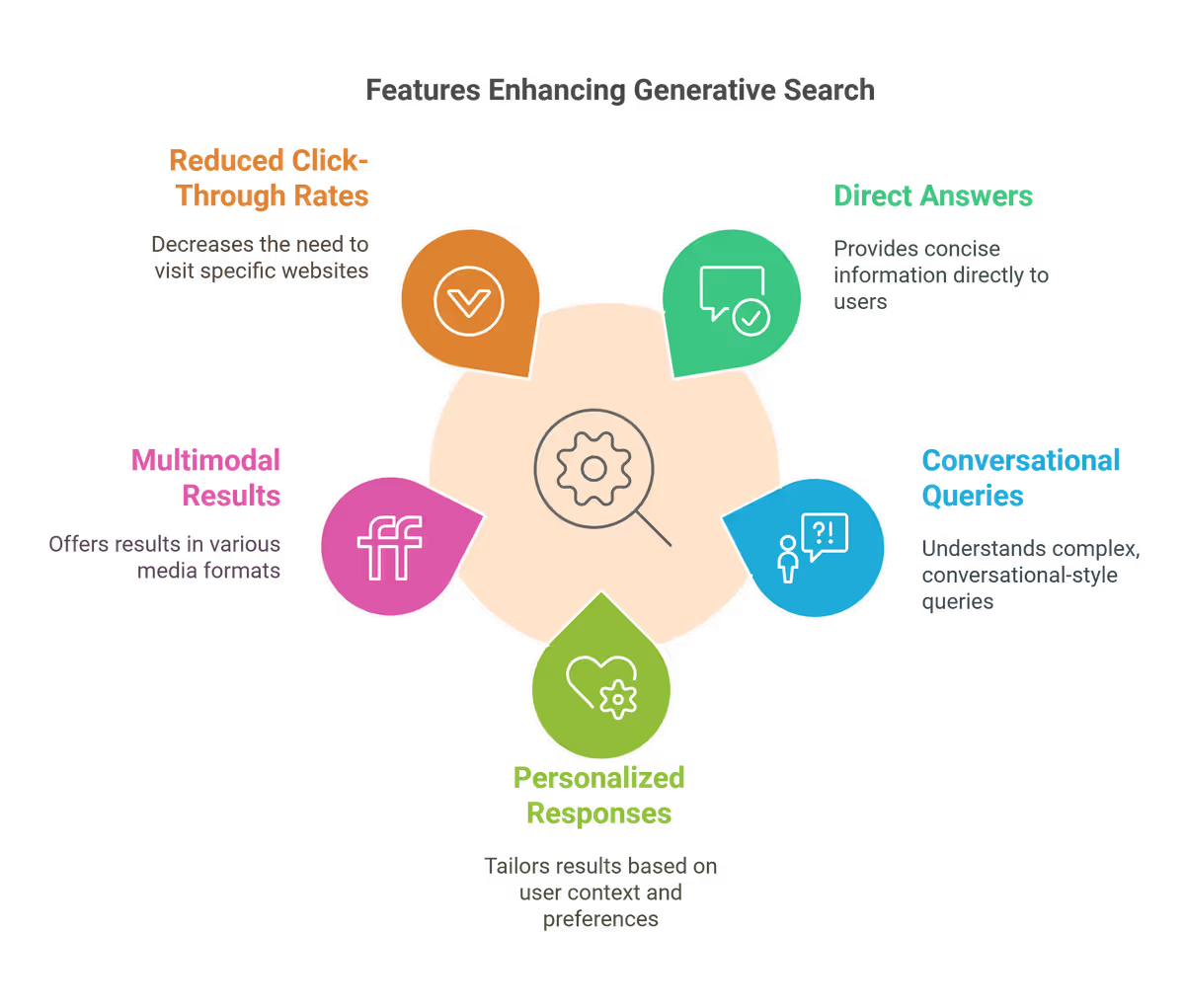
Its key characteristics:
- Direct answers: a summary or synthesis in place of a list of links.
- Conversational queries: complex, natural-language questions instead of precise keywords.
- Personalised responses: results tailored to context, history and preference.
- Multimodal results: text, images, video and audio together.
- Reduced click-through: with direct answers, fewer users need to click anything.
How it changes the game
1. The decline of link clicks
The most immediate impact is a fall in click-through rates. When engines answer directly, users may never visit your site, so ranking high no longer guarantees the same traffic. Competition for featured snippets gets fiercer, and the fragments the engine pulls, your titles, descriptions and quoted lines, must be compelling on their own.
2. The rise of E-E-A-T
Generative algorithms prioritise high-quality, trustworthy information: experience, expertise, authoritativeness and trust. Well-researched, genuinely valuable content matters more than ever; credentials, testimonials and partnerships build the credibility machines and humans both check; and your site must be secure and transparent.
3. Zero-click content still has to work
Even when users don't click through, the information presented in results has to carry value. Craft concise, informative snippets; use schema markup so engines understand your content's context; and answer likely questions directly in your content, increasing your chances of being the source that's quoted.
4. A shift in keyword strategy
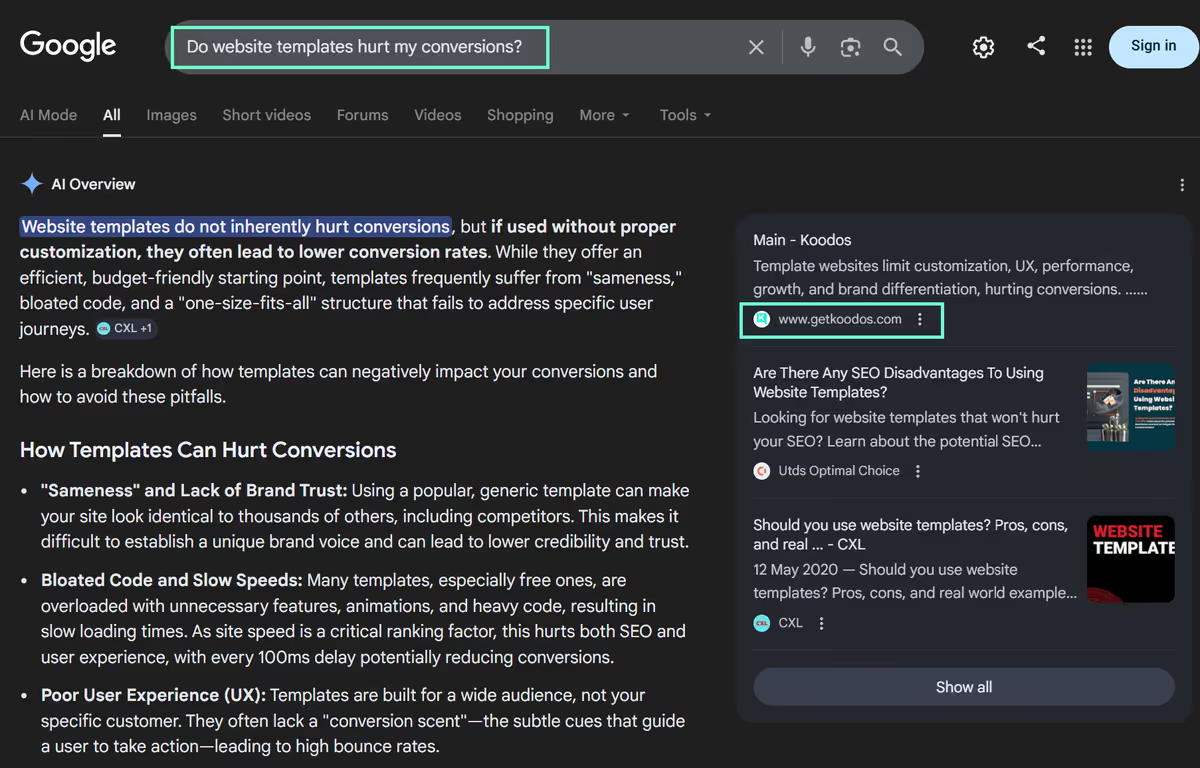
With engines understanding complex queries, focus moves from keywords to conversational phrases and intent. Identify the questions your audience actually asks and structure content to answer them; target long-tail phrases; and build topical authority rather than chasing individual rankings.
5. The value of custom landing pages
Direct answers reduce overall clicks, but the visitors who do arrive are highly engaged. A custom landing page tailored to their specific need becomes more vital, not less: hyper-relevant to the query that brought them, designed to convert, and never a generic template.
Thriving in the era of generative search
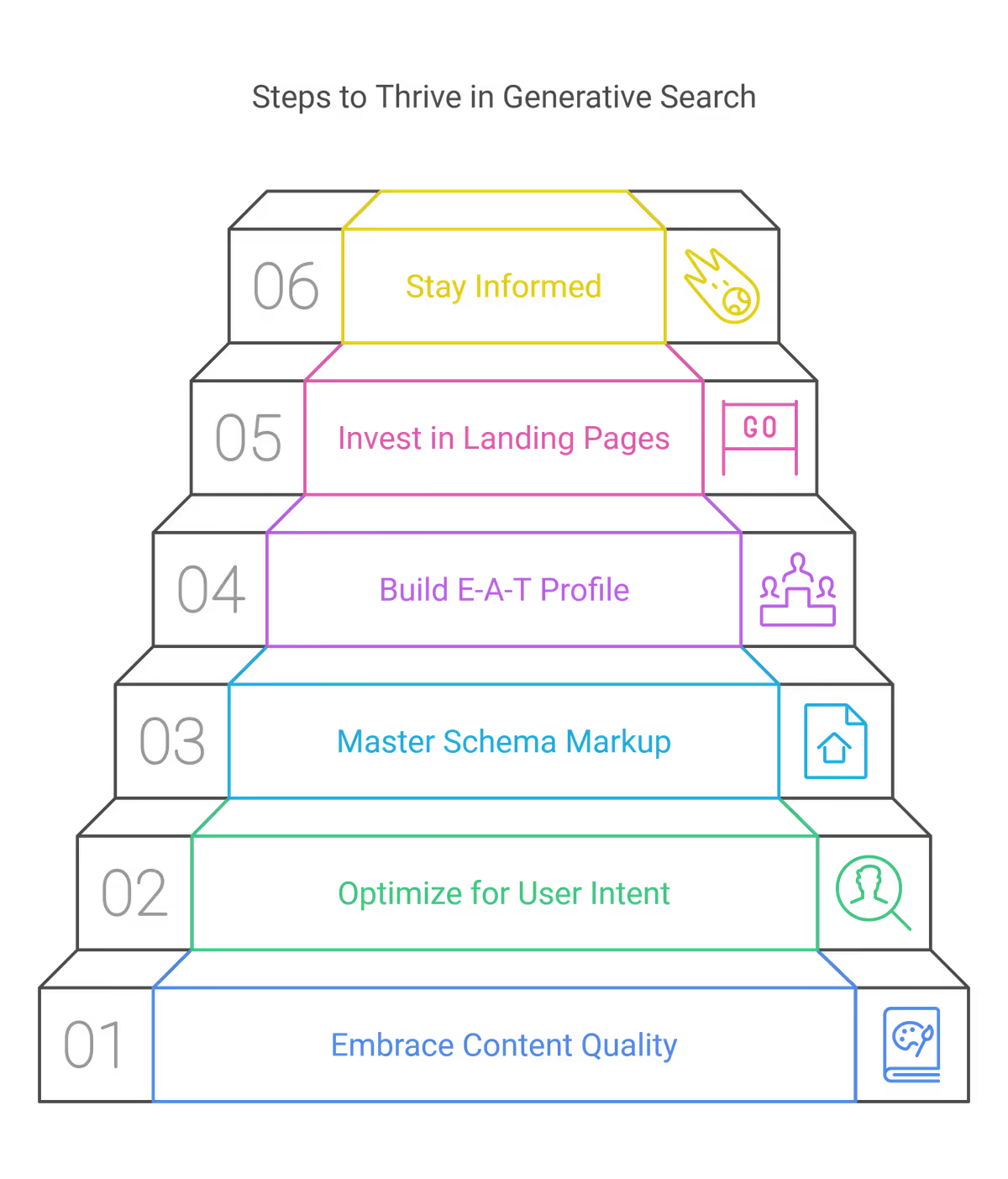
Generative search is not a threat; it's an evolution. To adapt:
- Embrace content quality, and aim to become an authority in your niche.
- Optimise for user intent: understand why people search and answer it directly.
- Master schema markup so engines can understand and feature your content.
- Build a strong E-E-A-T profile through your content and site.
- Invest in tailored landing pages for the visitors who do click.
- Stay informed: this technology is evolving, and your strategy should evolve with it.
The future is here
Generative search is fundamentally changing how people interact with information online. Understand the changes, adapt your strategy, and treat this as an opportunity to create better content, better experiences, and ultimately more conversions. The future of search is here, and it's time to embrace it.